
one&two
2024
Saas, MVP, Mobile, branding, Marketing, Entrepreneurship, Final project.


ReBreath By Xoltar
An AI-Powered CBT-Based Smoking Cessation Platform.
My Role
Product Designer
Team
CEO
Full-Stack Developer
Product Designer (Me)
Timeline
2025
Project Duration4 months
Project Type
AI-Assisted HealthTech Mobile ProductCBT-Based Behavioral Support Platform

Product Description
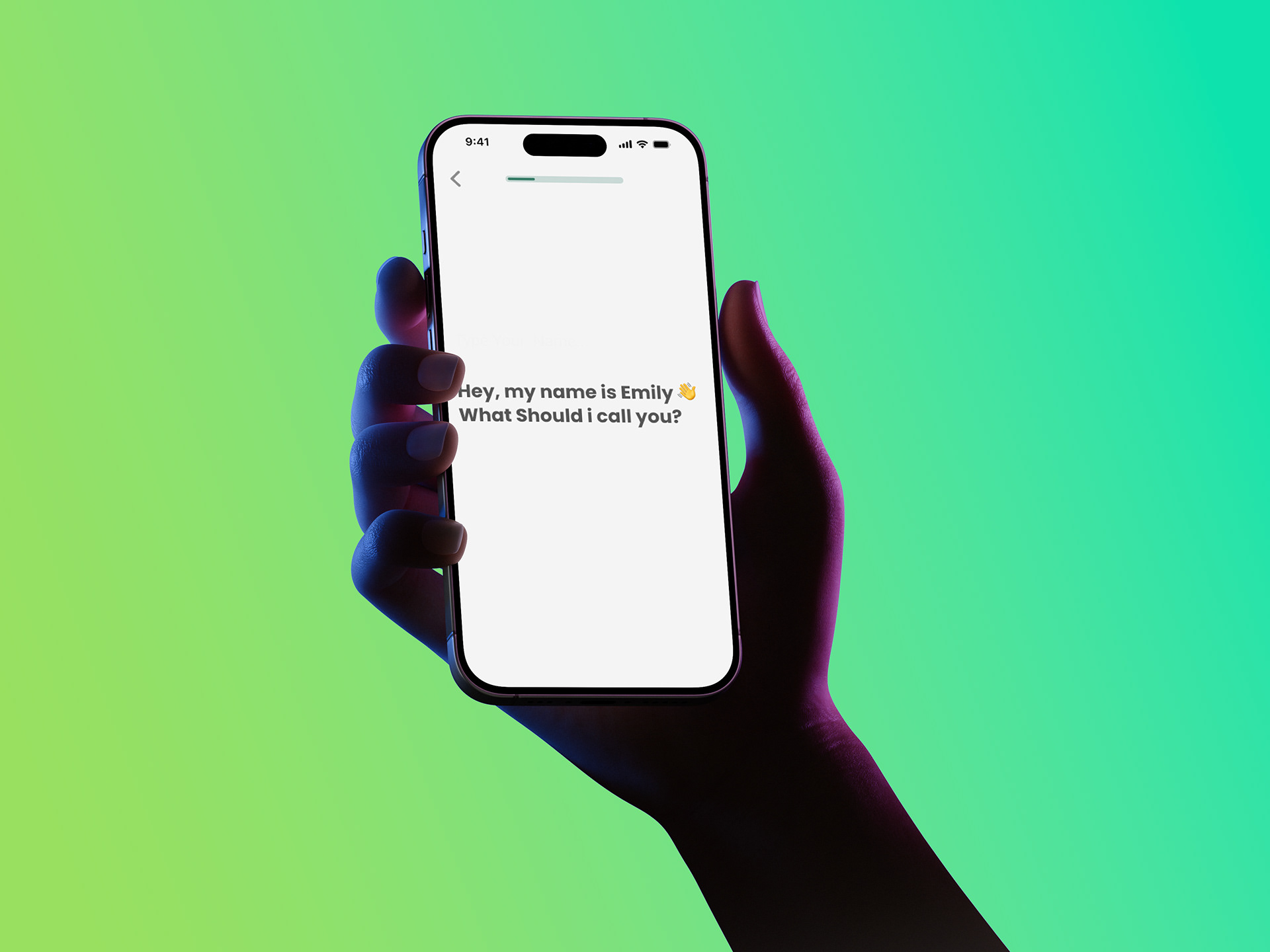
ReBreath is an AI-powered digital health platform designed to support smoking cessation through CBT-based conversational guidance by AI agent named Emily, structured onboarding, and personalized behavioral support.
Creating Immediate Connection
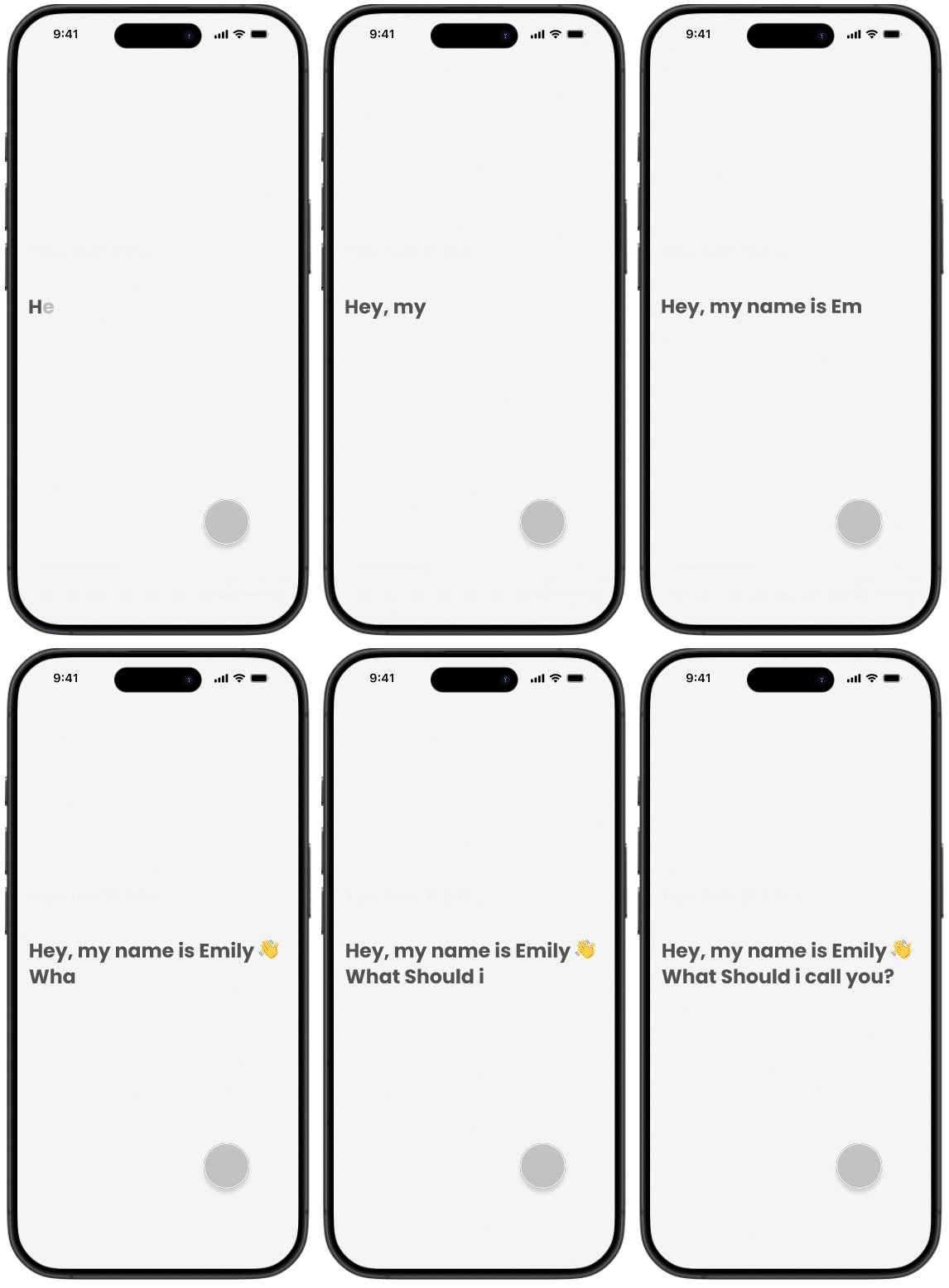
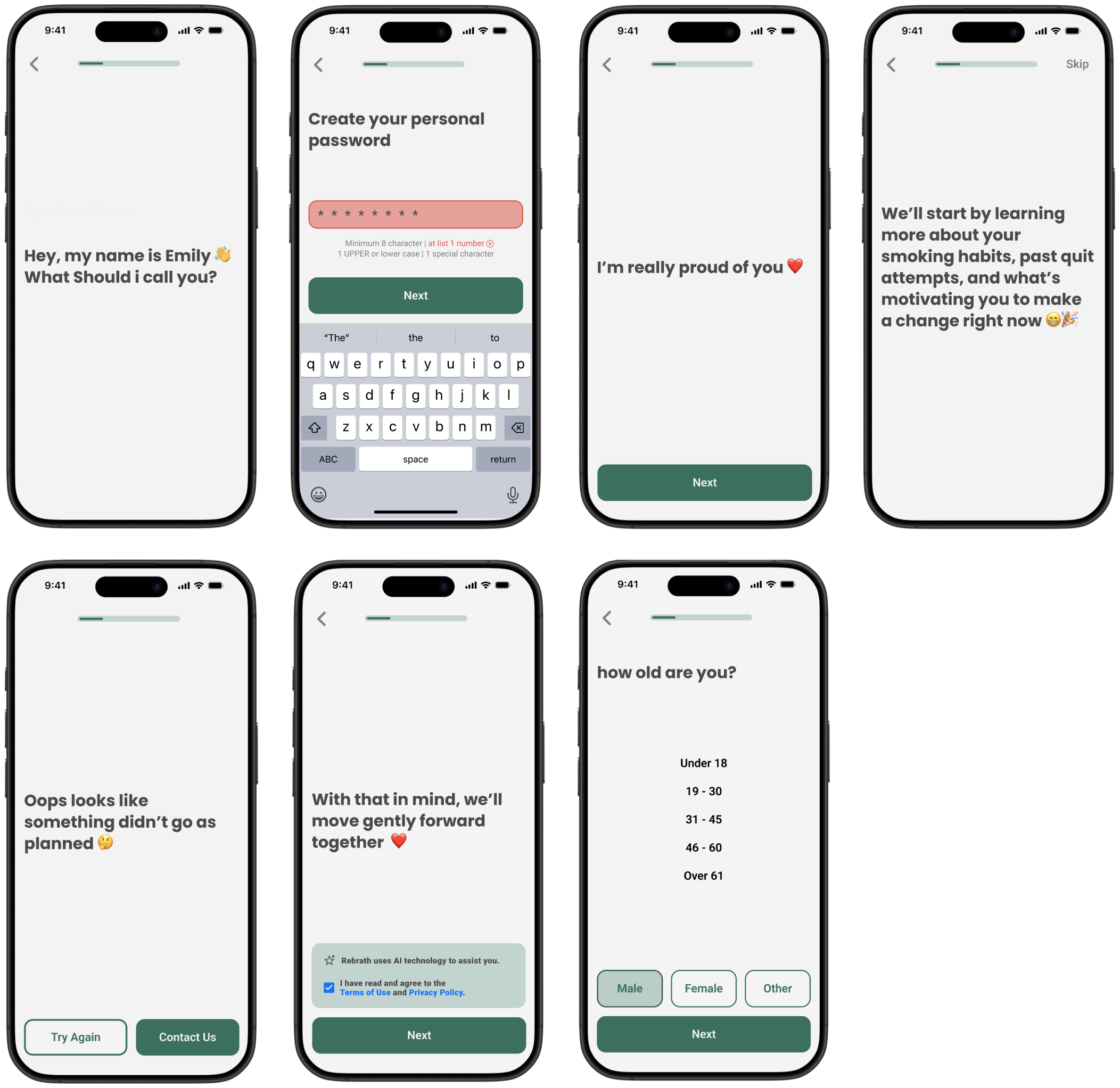
The onboarding begins with a typing animation from Emily, simulating a real conversation instead of a traditional form. The first question asking for the user’s name mirrors natural human interaction, creating instant personalization and emotional connection from the very first moment.
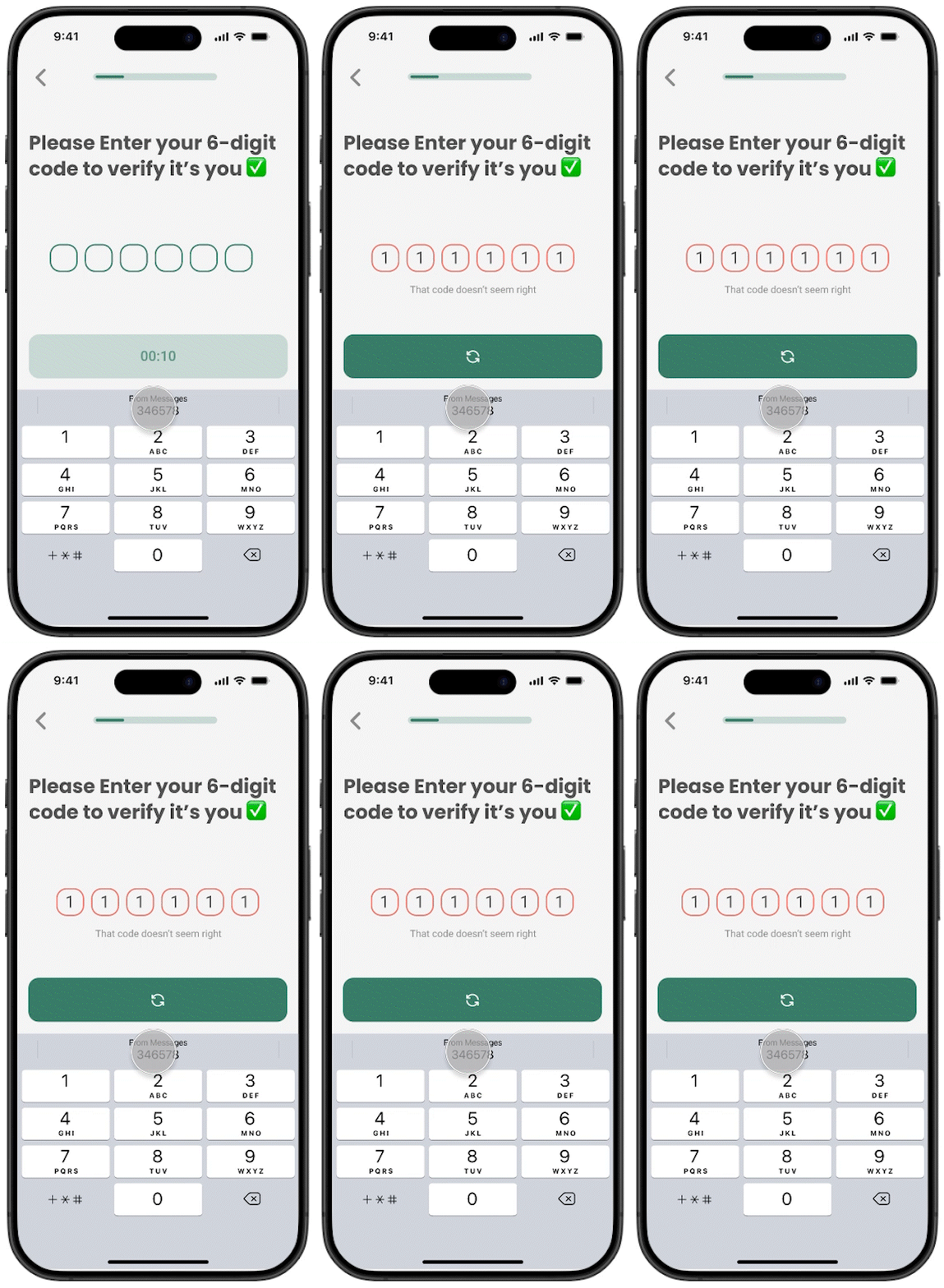
Clear Error Feedback
I used simple, familiar error animations (like a subtle bell shake) to help older users immediately notice incorrect actions. These clear visual cues reduce confusion and provide intuitive, non-intimidating feedback without relying only on text.
Preparing Users for the Next Step
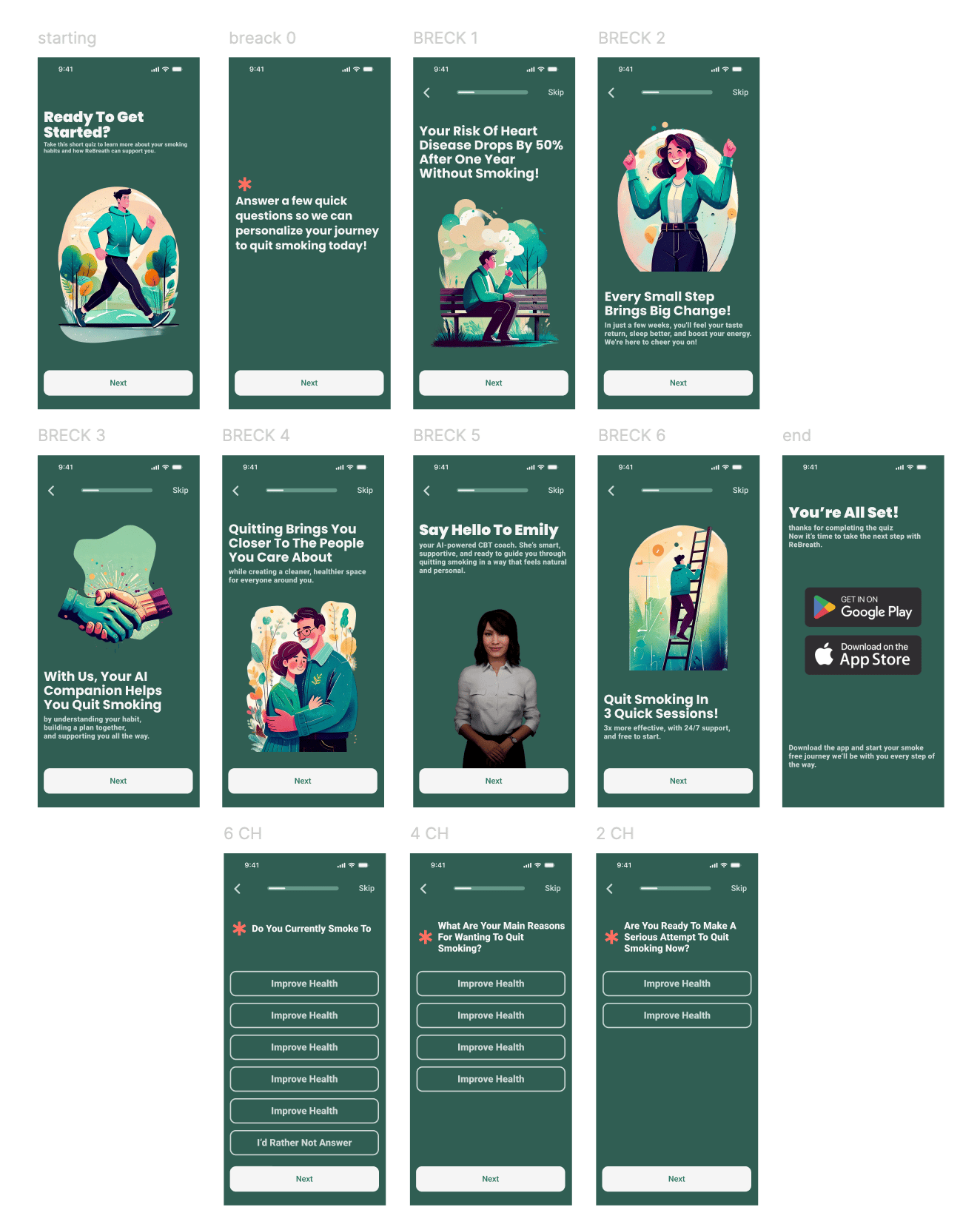
At the end of the onboarding experience, Emily provides clear information about the next stage of the program and the upcoming session. This prepares users for what to expect, reduces uncertainty, and reinforces a sense of structure and guided support moving forward.


Case Study
The Problem
Smoking cessation requires structured behavioral support, yet many existing solutions are either too clinical or too generic.
Many smokers have already tried to quit and feel discouraged. Over time, smoking becomes deeply embedded in daily routines, emotional triggers, and subconscious habits affecting not only health, but also relationships and family life.
The challenge was to design a supportive, non-judgmental digital experience that addresses deep behavioral patterns through CBT-based conversational guidance especially for an older American audience unfamiliar with AI tools.
Target Audience
ReBreath was designed for adult smokers (35–60) in the U.S. who have tried to quit multiple times and feel discouraged.
UX Challenge
The primary design challenge was accessibility and trust.
We explored multiple visual styles and interaction concepts to determine:
Through iterative exploration, we simplified typography, increased contrast, reduced cognitive load, and framed AI interaction as guided support rather than automation.
Wireframes
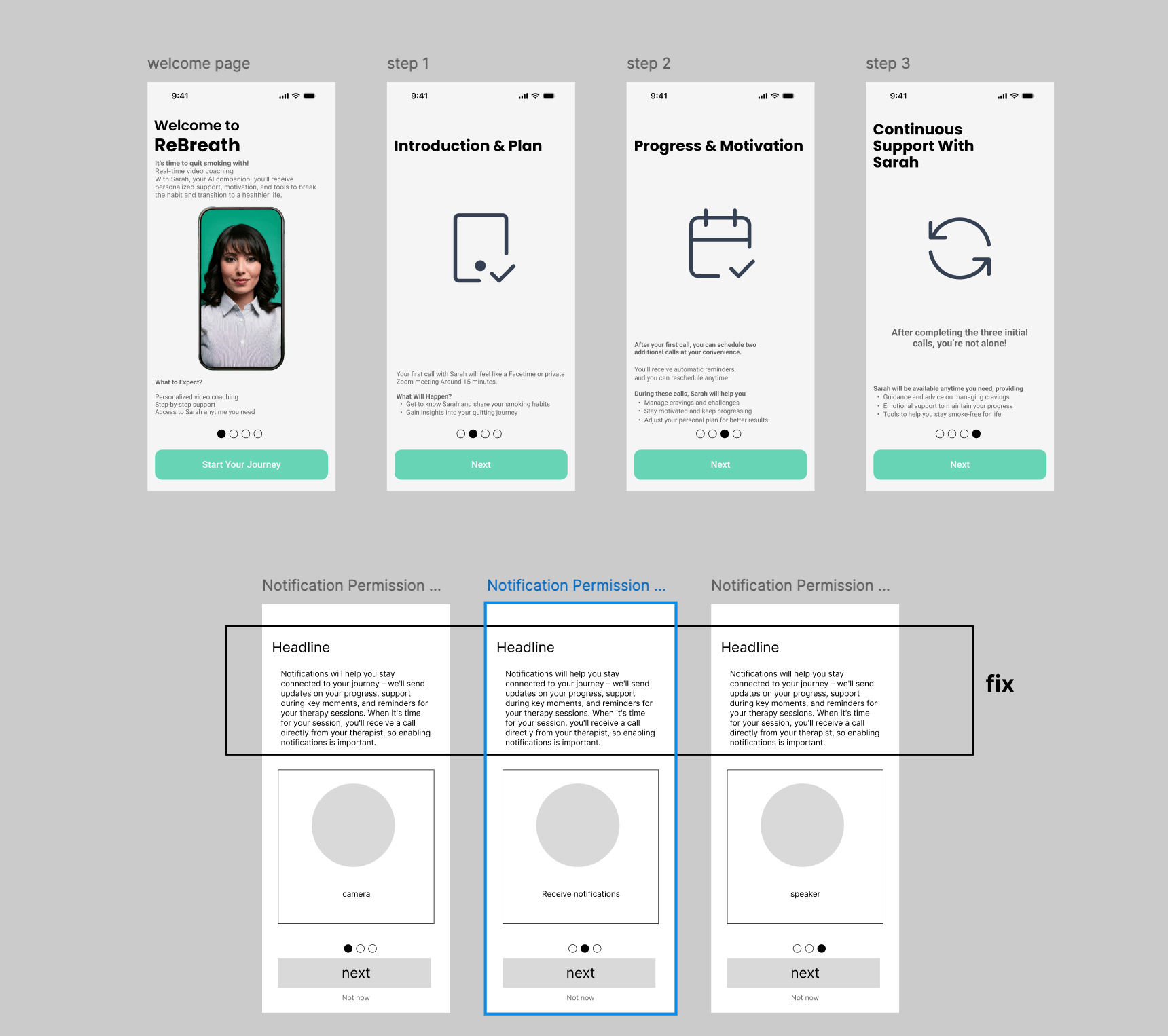
Wireframes
Design system & Visual direction
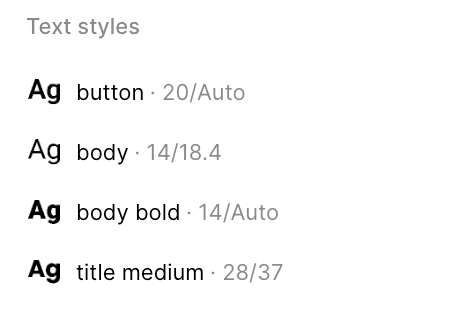
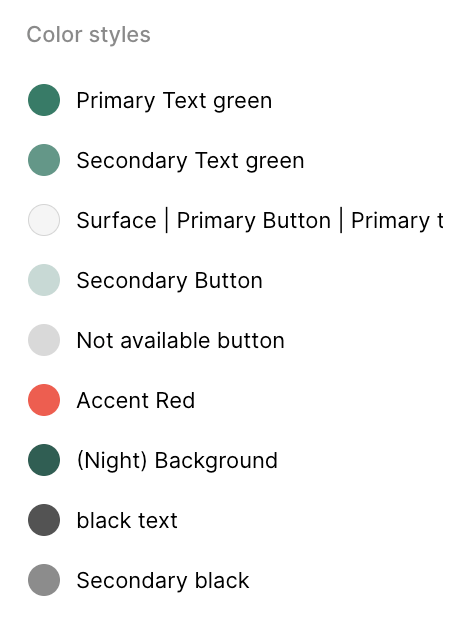
When I joined the project, the company had defined brand colors and typography, but no structured design system.
To ensure visual consistency and scalable development, I established a foundational design system based on Material Design 3, adapting it to the brand identity.
This included:
The goal was to create a cohesive, trustworthy health-tech interface that feels stable and structured.
Key learning
Design System

More Projects
© 2026 Yoad Madmoni. All rights reserved. Designed and developed by Yoad Madmoni.
ReBreath By Xoltar
An AI-Powered CBT-Based Smoking Cessation Platform.
My Role
Product Designer
Team
CEO
Full-Stack Developer
Product Designer (Me)
Timeline
2025
Project Duration4 months
Project Type
AI-Assisted HealthTech Mobile ProductCBT-Based Behavioral Support Platform

Product Description
ReBreath is an AI-powered digital health platform designed to support smoking cessation through CBT-based conversational guidance by AI agent named Emily, structured onboarding, and personalized behavioral support.
Creating Immediate Connection
The onboarding begins with a typing animation from Emily, simulating a real conversation instead of a traditional form. The first question asking for the user’s name mirrors natural human interaction, creating instant personalization and emotional connection from the very first moment.
Clear Error Feedback
I used simple, familiar error animations (like a subtle bell shake) to help older users immediately notice incorrect actions. These clear visual cues reduce confusion and provide intuitive, non-intimidating feedback without relying only on text.
Preparing Users for the Next Step
At the end of the onboarding experience, Emily provides clear information about the next stage of the program and the upcoming session. This prepares users for what to expect, reduces uncertainty, and reinforces a sense of structure and guided support moving forward.


Case Study
The Problem
Smoking cessation requires structured behavioral support, yet many existing solutions are either too clinical or too generic.
Many smokers have already tried to quit and feel discouraged. Over time, smoking becomes deeply embedded in daily routines, emotional triggers, and subconscious habits affecting not only health, but also relationships and family life.
The challenge was to design a supportive, non-judgmental digital experience that addresses deep behavioral patterns through CBT-based conversational guidance especially for an older American audience unfamiliar with AI tools.
Target Audience
ReBreath was designed for adult smokers (35–60) in the U.S. who have tried to quit multiple times and feel discouraged.
UX Challenge
The primary design challenge was accessibility and trust.
We explored multiple visual styles and interaction concepts to determine:
Through iterative exploration, we simplified typography, increased contrast, reduced cognitive load, and framed AI interaction as guided support rather than automation.
Wireframes
Initial option
Design system & Visual direction
When I joined the project, the company had defined brand colors and typography, but no structured design system.
To ensure visual consistency and scalable development, I established a foundational design system based on Material Design 3, adapting it to the brand identity.
This included:
The goal was to create a cohesive, trustworthy health-tech interface that feels stable and structured.
Key learning
All frames
© 2026 Yoad Madmoni. All rights reserved. Designed and developed by Yoad Madmoni.